Technical detail
Transglutaminase Safety, Labeling, and Compliance Overview
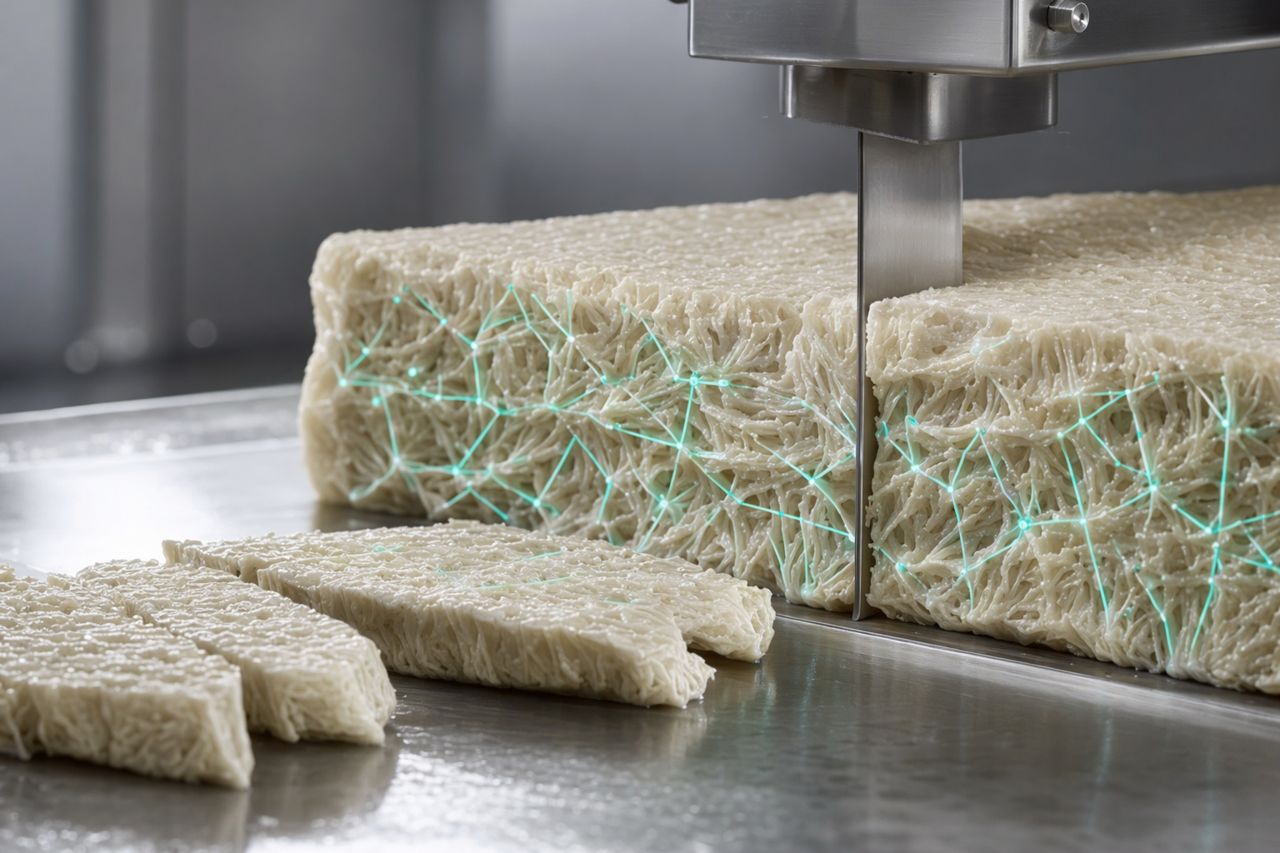
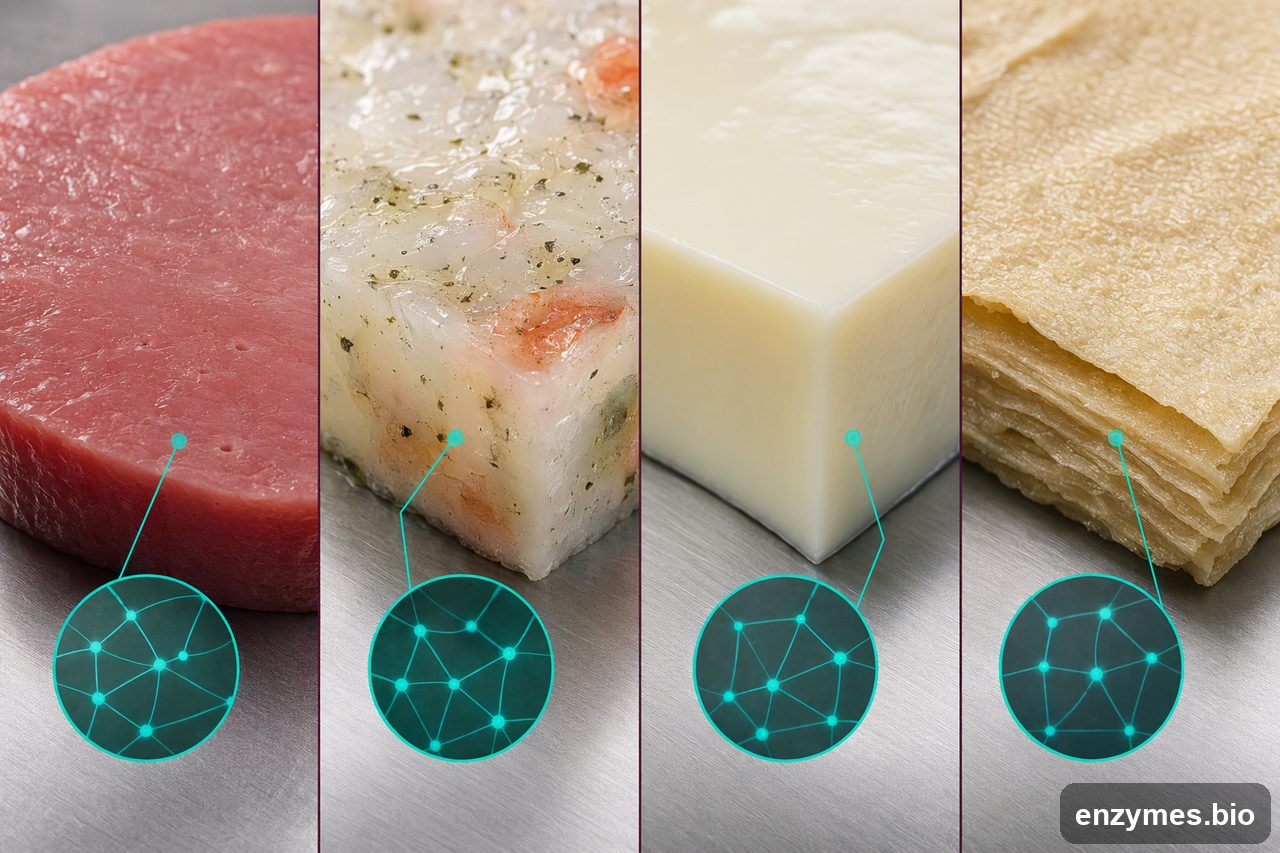
Transglutaminase, also known as protein-glutamine gamma-glutamyltransferase, is used by food manufacturers to strengthen protein networks, improve binding, support texture design, and reduce formulation waste. In commercial processing, its value depends on more than performance. Buyers need a clear view of safety, documentation, labeling responsibility, and process control before moving from bench trials to production.
This overview is written for R&D, procurement, QA, regulatory, and innovation teams evaluating transglutaminase for meat, seafood, dairy, plant protein, bakery, and prepared food systems.

Wholesale and bulk transglutaminase for food manufacturers, ingredient blenders, distributors and resellers. Every order is quoted individually. Request a quote with your product or application, the quantity you need and the destination country.
What transglutaminase does in food systems
Transglutaminase helps create covalent links between suitable protein sites. In practical terms, that can improve:
- Binding strength in formed meat, seafood, and hybrid protein formats
- Sliceability and bite in protein gels, dairy systems, and plant-based matrices
- Yield and rework management where approved processes allow better protein utilization
- Texture consistency across variable raw material streams
- Formulation flexibility when reducing salt, phosphate, hydrocolloid dependency, or animal protein content
The enzyme does not replace good raw material control, sanitation, thermal validation, or finished-product specifications. It is a process tool for designed protein architecture, not a shortcut around food safety systems.
Safety position: responsible use starts with GMP
Commercial transglutaminase should be handled and applied under established food manufacturing controls, including GMP, HACCP or preventive controls, allergen management, traceability, and validated processing steps.
Key safety expectations include:
- Use only within intended food applications and approved internal specifications
- Maintain supplier documentation for each lot and production site
- Control dust exposure during weighing, blending, and transfer
- Train operators on enzyme handling, PPE, and spill response
- Prevent cross-contact with allergenic carriers or blended ingredients
- Validate downstream processing, storage, and shelf-life behavior
- Never use the enzyme to disguise spoilage, damaged raw materials, or poor hygiene
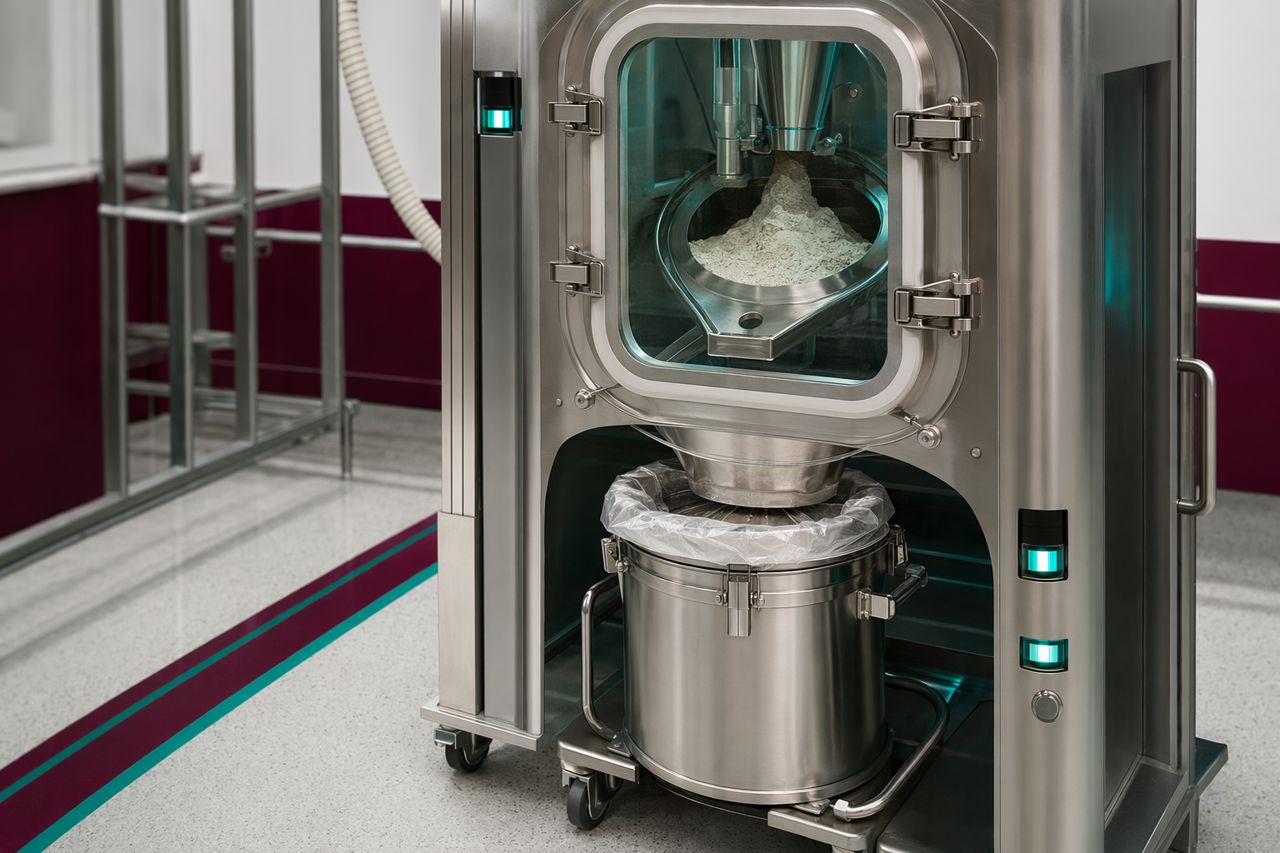
For powder products, worker exposure control matters. Enzymes can be respiratory sensitizers in occupational settings. Closed transfer, local extraction, suitable masks or respirators where required, and disciplined housekeeping are common controls.
Labeling is jurisdiction-specific
Transglutaminase labeling depends on where the product is sold, how the enzyme is used, whether it remains functional in the finished food, and whether the supplied enzyme preparation contains carriers, stabilizers, or other food ingredients.
Important labeling questions for regulatory review:
-
Is transglutaminase considered a processing aid or an ingredient in the target market?
Classification can vary by jurisdiction and by application.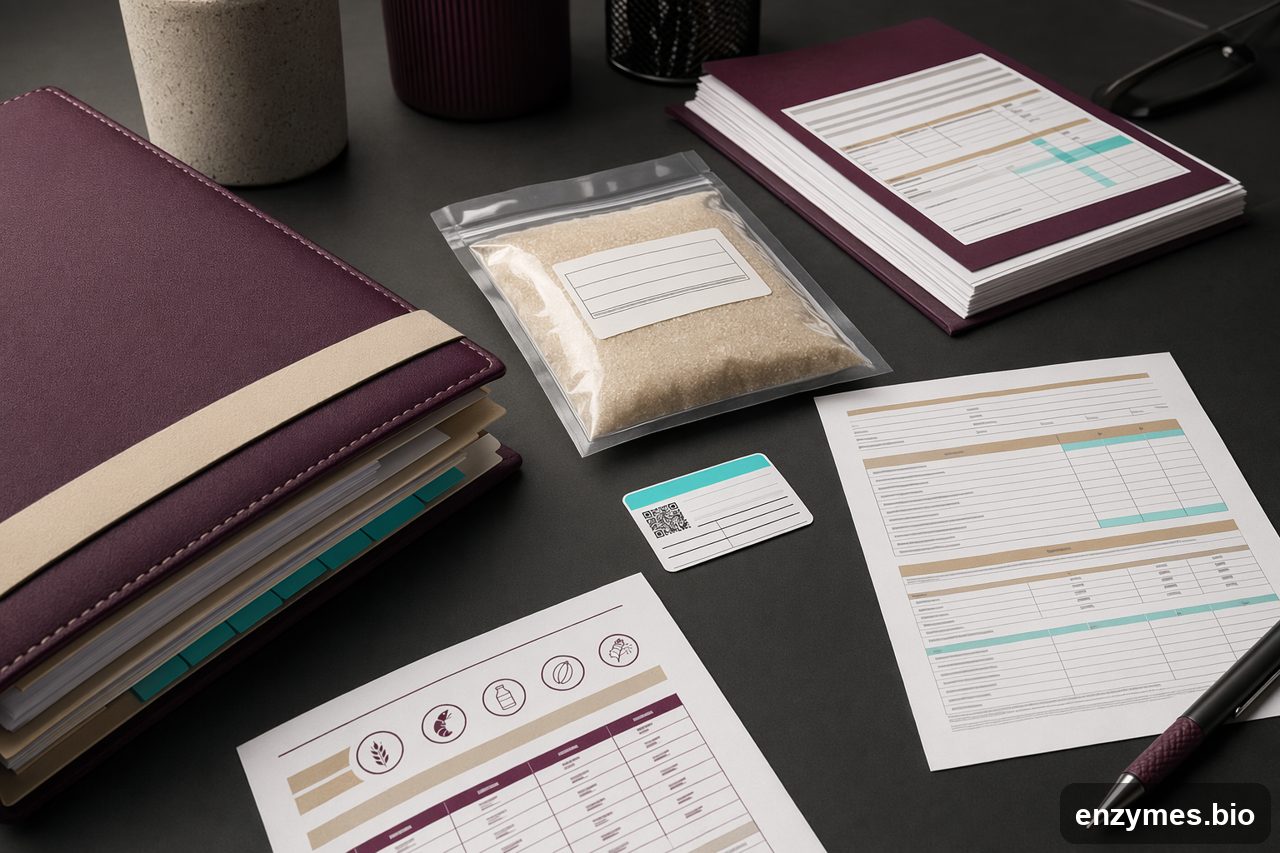
-
Does the enzyme preparation include declarable carriers?
Maltodextrin, starches, proteins, salts, or other carriers may affect ingredient statements and allergen review. -
Is the finished food making a texture or structure claim?
Claims around binding, formed products, plant-based formats, or reduced additives should be checked against local rules. -
Does the food category have standards of identity?
Meat, seafood, cheese, yogurt, bakery, and analog products may have category-specific compositional or naming requirements. -
Will the enzyme be inactivated, removed, or present as part of the final food matrix?
Process design and finished-product analysis can influence documentation and label rationale.
Transglutaminase Enzyme Solutions does not provide legal advice. Buyers should confirm final label language with qualified regulatory counsel or an internal compliance team for each sales territory.
Application areas and compliance checkpoints
Meat and poultry systems
Transglutaminase may be evaluated for binding trim, improving formed-product cohesion, or supporting lower-salt texture strategies. Compliance review should address product naming, raw material traceability, pathogen control, temperature control, and whether the structure of the finished product requires specific disclosure in the target market.
Seafood systems
In seafood formats, the enzyme may support binding and portion control. QA teams should review species declaration, raw material identity, cold-chain management, glazing or moisture rules, and any restrictions on restructuring language.
Dairy and cultured systems
In dairy gels, cheese analogs, yogurt-style products, and high-protein desserts, transglutaminase can support firmness, reduced syneresis, and mouthfeel design. Regulatory review should include standards of identity, milk allergen handling, culture compatibility, and ingredient declaration for carriers.
Plant protein and hybrid foods
For plant-based meat, seafood analogs, and hybrid systems, transglutaminase can help organize protein networks where native binding is weak or inconsistent. Teams should evaluate protein source labeling, allergen statements for soy, wheat, pea, or other inputs, vegan or vegetarian claims, and compatibility with brand-level clean-label standards.
Bakery and prepared foods
In bakery or ready-meal systems, transglutaminase may support dough strength, bite, and stability in composite protein systems. Review gluten management, allergen declarations, process hold times, and whether enzyme activity aligns with heat treatment and shelf-life expectations.
Documentation buyers should request
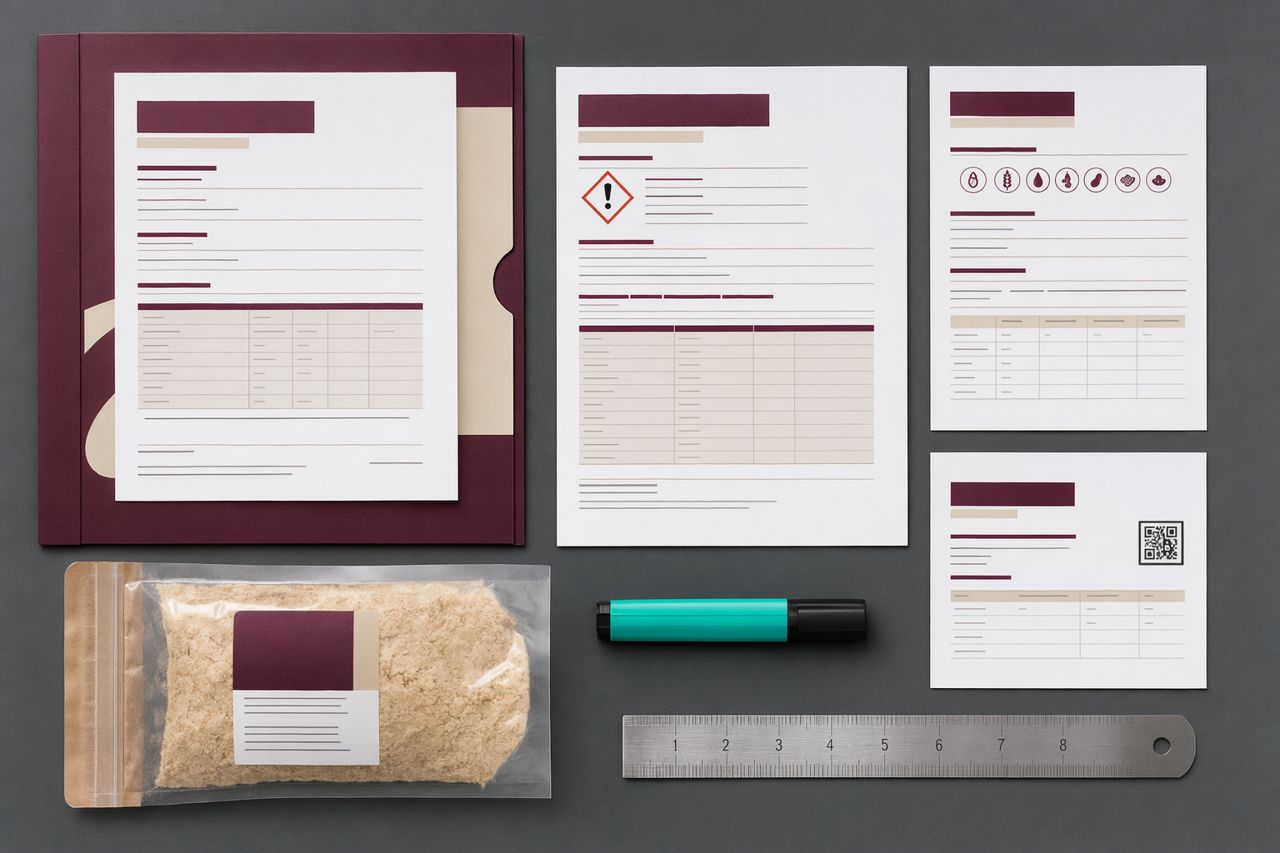
A serious procurement process should collect a documentation pack before plant trials. Typical documents include:
- Product specification sheet
- Safety data sheet
- Allergen statement
- Ingredient and carrier declaration
- Country of origin and manufacturing site information
- Lot traceability format
- Food-grade statement
- Non-GMO statement, where applicable
- Halal or kosher certificate, where required
- Heavy metals and microbiological limits statement
- Shelf-life and storage guidance
- Regulatory status statement for target markets, where available
For multi-region launches, request documentation early. A formula that is acceptable in one market may require different label treatment, customer disclosure, or claim language elsewhere.
Process validation considerations
Transglutaminase performance is sensitive to the protein system, water activity, salt level, pH, temperature profile, hold time, competing ingredients, and downstream heat treatment. R&D should design trials that reflect real production conditions, not only ideal bench behavior.
Recommended validation focus areas:
- Binding strength after chilling, cooking, slicing, freezing, or reheating
- Texture consistency across raw material lots
- Interaction with salt, phosphates, starches, fibers, gums, and emulsifiers
- Residual functional impact after the intended process
- Finished-product appearance, purge, bite, and yield
- Microbiological risk during any extended hold period
- Sanitation impact and changeover requirements
A robust validation plan protects both the commercial target and the compliance file.
Common procurement questions
Is transglutaminase safe for food use?
Food-grade transglutaminase is widely used in commercial food processing when applied within appropriate regulatory frameworks and manufacturing controls. Safety evaluation should always be tied to the specific formulation, process, market, and supplier documentation.
Does transglutaminase need to appear on the label?
It depends. Label treatment varies by jurisdiction, application, carrier system, and whether it is considered an ingredient or processing aid. Always confirm with your regulatory team for the finished product and sales territory.
Can it be used in clean-label products?
Sometimes, but clean-label is a brand and market interpretation, not a single global rule. Buyers should evaluate consumer positioning, ingredient statement impact, retailer standards, and whether enzyme use aligns with the product promise.
Is it suitable for plant-based products?
It can be used in some plant protein systems, depending on the enzyme preparation, protein substrate, formulation, and dietary-positioning requirements. Vegan or vegetarian claims require review of the enzyme source, carriers, processing aids, and certification expectations.
What should be controlled during production?
Dose addition accuracy, mixing distribution, hold conditions, temperature profile, raw material quality, allergen controls, sanitation, and finished-product validation are all critical. Transglutaminase should be treated as a precision process input, not a commodity additive.
Buyer checklist before a plant trial
Use this checklist before moving to pilot or commercial scale:
- Define target texture, binding, yield, and shelf-life outcomes
- Confirm food category and sales territories
- Request the full supplier documentation pack
- Review label impact and carrier declaration
- Check allergen, dietary, halal, kosher, and customer requirements
- Map enzyme addition point and mixing method
- Confirm worker exposure controls for powder handling
- Validate hold time, temperature, and inactivation strategy
- Run side-by-side controls against the current formulation
- Capture sensory, yield, purge, slice, freeze-thaw, and reheating data
- Document regulatory rationale before commercialization
Build the compliance file around the finished food
The enzyme is only one part of the compliance picture. The finished product, process, label, claims, customer specification, and market destination determine the final review. The best projects align R&D, QA, regulatory, procurement, and operations before trials begin.
Transglutaminase Enzyme Solutions supports buyer conversations with application-fit thinking, documentation discipline, and commercial clarity around transglutaminase use.
Request pricing or discuss a trial
If your team is evaluating transglutaminase for a specific protein system, share the application, target texture, process conditions, and market region. We will help route the conversation toward the right technical and commercial next step.
Ready for a quote? Use the inquiry form at the foot of this page. Tell us the application, the quantity per order or per year and the delivery country. Price, pack size and lead time are quoted per order.