Technical detail
Transglutaminase for Dairy Protein Structuring
Dairy texture is built at the protein-network level. Transglutaminase Enzyme Solutions supplies transglutaminase in bulk to yogurt, cultured dairy, fresh cheese and dessert manufacturers, dairy-ingredient blenders and the distributors who serve them, for more control over body, firmness, viscosity and water management in selected milk-based systems. Every order is quoted individually.
Wholesale and bulk transglutaminase for food manufacturers, ingredient blenders, distributors and resellers. Every order is quoted individually. Request a quote with your product or application, the quantity you need and the destination country.
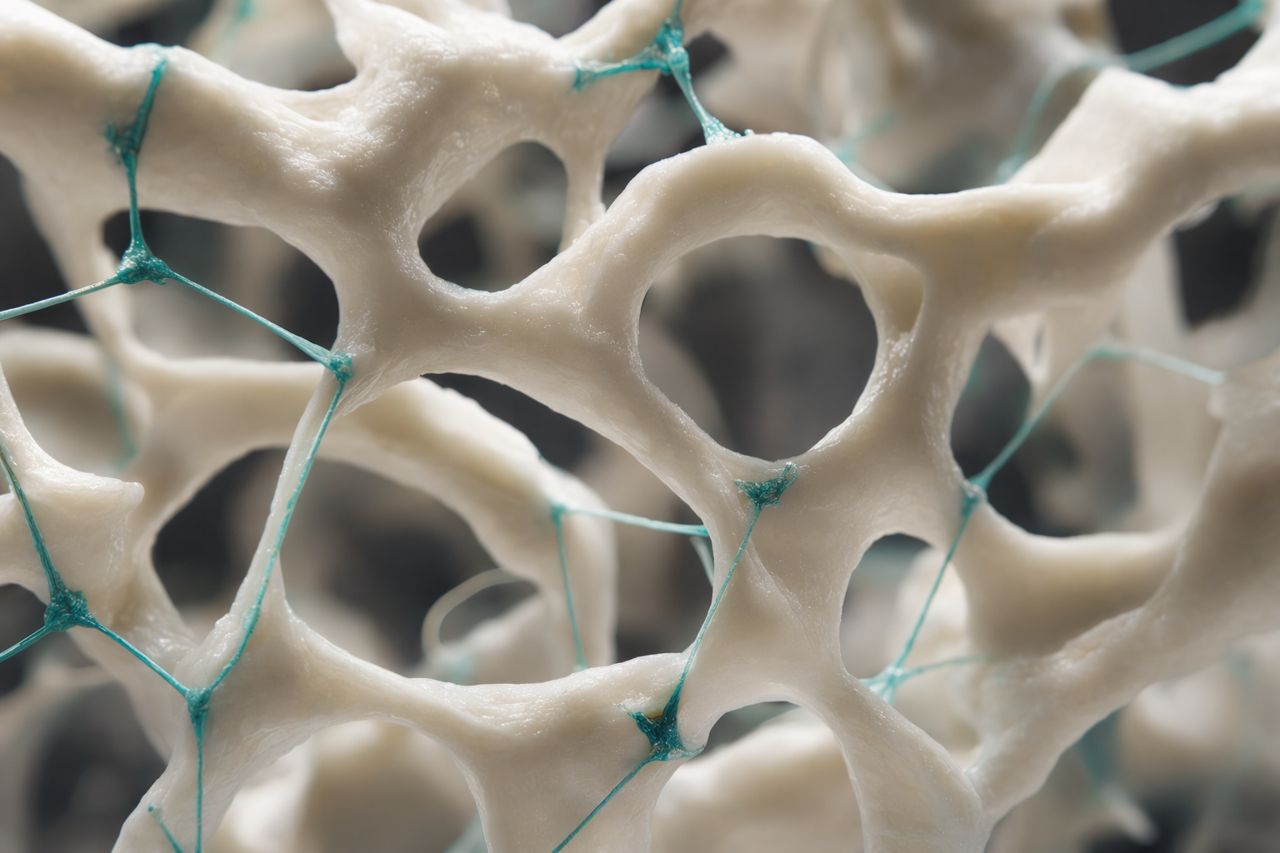
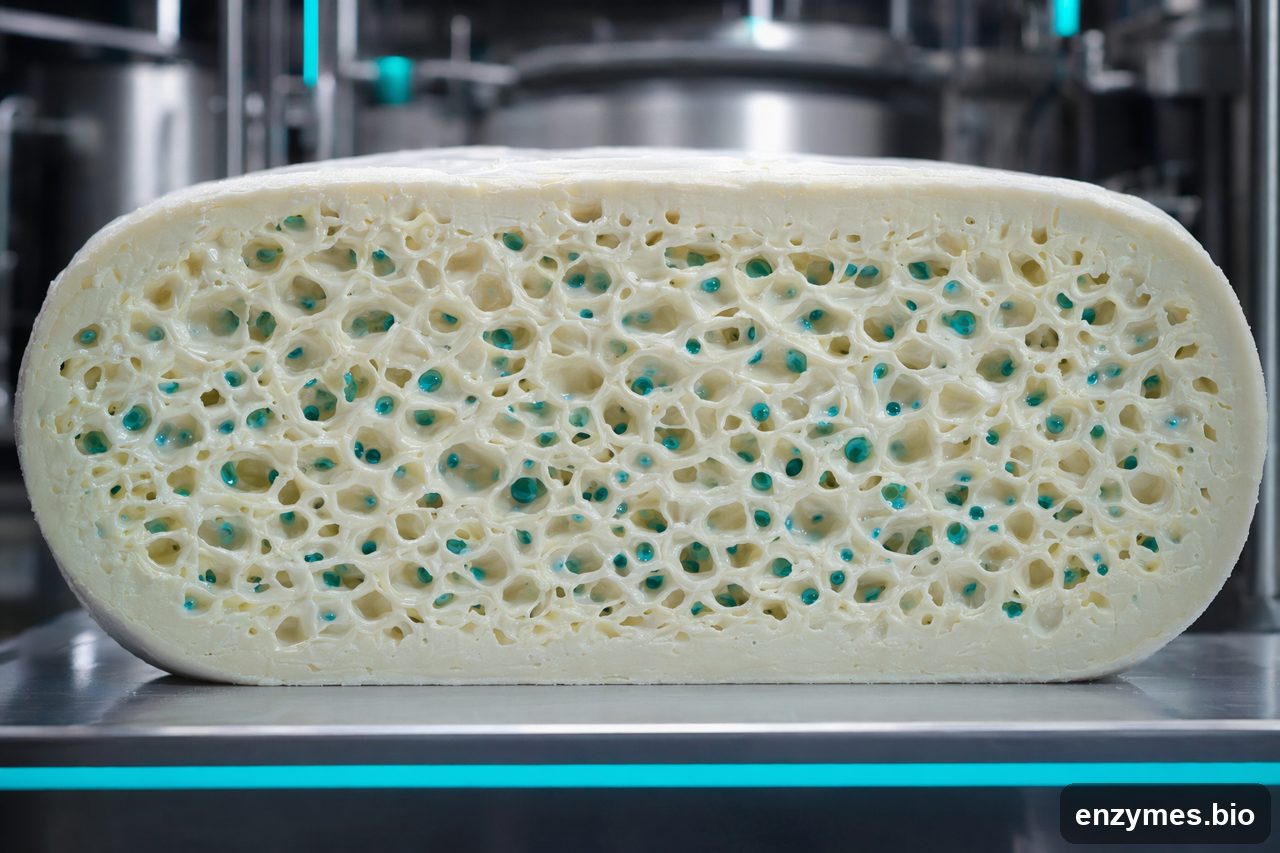
Transglutaminase, also known as protein-glutamine gamma-glutamyltransferase, helps form covalent links between compatible protein sites. In dairy, that means casein and whey protein systems can be engineered into tighter, more resilient structures when the process conditions are right.

What it helps dairy teams improve
Transglutaminase is used where protein structuring can create measurable commercial value:
- Firmer gels in selected yogurt, cultured dairy, and dessert systems
- Improved spoonable body without overbuilding starch or hydrocolloid systems
- Reduced whey separation through stronger water-holding protein networks
- Better viscosity control in recombined, high-protein, or fortified dairy formats
- Yield support in cheese, fresh cheese, and curd-based concepts where protein retention matters
- Formulation flexibility when reducing stabilizer load, adjusting protein sources, or improving mouthfeel
The outcome is not a generic thickening effect. It is protein network design.
Where transglutaminase fits in dairy
Common development areas include:
Yogurt and cultured dairy
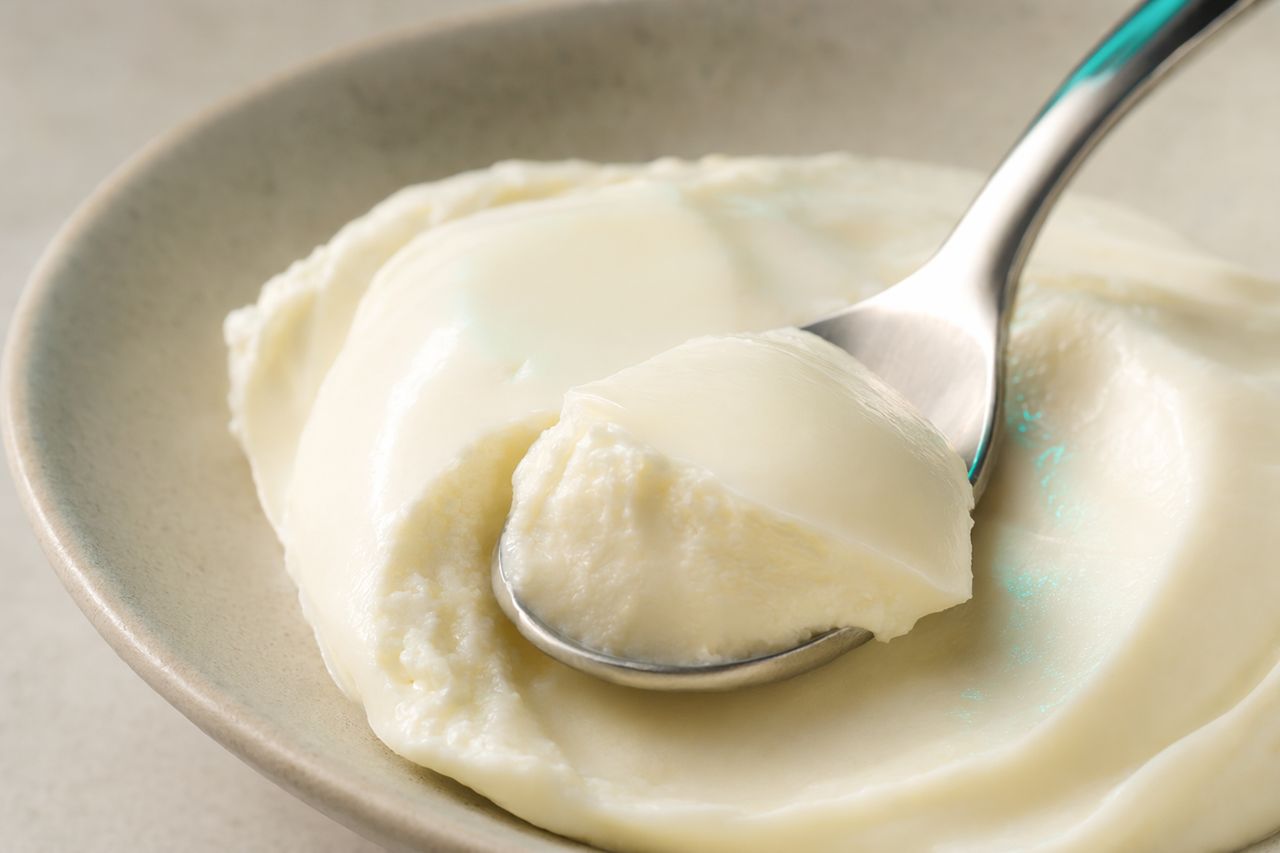
Used to support body, firmness, and water management in stirred, set, Greek-style, and high-protein cultured systems. It can help reduce syneresis and improve spoon stand-up when aligned with culture behavior and heat treatment.
Dairy desserts and spoonable products
Useful where a smoother, more elastic, or more cohesive gel structure is needed without making the system heavy or gummy.

Fresh cheese and curd systems
Can contribute to curd strength, yield targets, and moisture control in selected fresh cheese and spreadable cheese concepts, depending on process design.
Recombined and fortified dairy
Supports protein network integrity in systems built from milk powders, whey proteins, caseinates, concentrates, or blends. This is especially relevant where solids, heat history, and hydration sequence affect final texture.
Hybrid dairy and dairy-adjacent systems
Applicable in formulations combining dairy proteins with plant proteins, fibers, or alternative fat systems, where binding strength and structural continuity are important.
Process variables that decide performance
Transglutaminase performance is formulation-specific. The same inclusion strategy will not behave identically across milk bases, protein sources, or thermal processes.
Key variables include:
- Protein type, concentration, and accessibility
- Casein-to-whey balance
- Prior heat treatment and denaturation state
- Hydration order and mixing intensity
- pH profile and culture acidification rate
- Fat level and emulsification quality
- Salt, minerals, stabilizers, and competing ingredients
- Contact time before downstream heat or fermentation endpoints
- Final texture target: sliceable, spoonable, drinkable, spreadable, or gelled
For best results, the enzyme should be evaluated in the real product matrix, not only in a simplified bench system.
Commercial value in dairy formulation
For R&D and innovation teams, transglutaminase can unlock texture targets that are difficult to reach through solids adjustment alone.
For procurement and manufacturing teams, it can support:
- More consistent finished texture
- Reduced rework linked to weak gels or separation
- Better use of available protein systems
- Potential stabilizer-system simplification
- Improved product differentiation in premium dairy lines
- Stronger alignment between sensory goals and cost-in-use targets
The commercial question is not simply whether transglutaminase works. It is whether the protein system, process, and target texture justify enzymatic structuring.
Handling and implementation notes
Transglutaminase is intended for controlled industrial formulation work. It should be handled using appropriate food manufacturing practices and validated under site-specific processing conditions.
Typical implementation work includes:
- Mapping the protein system and heat history
- Defining the target texture and water-management challenge
- Selecting the point of addition and contact window
- Evaluating interaction with cultures, stabilizers, salts, and fat systems
- Confirming downstream process compatibility
- Running sensory, texture, yield, and shelf-life validation
Our team can support application-fit discussions, specification alignment, and quote preparation for commercial supply.
Request a wholesale quote
Use the inquiry form at the foot of this page and tell us what you are making (yogurt, cultured dairy, fresh cheese, recombined or fortified milk, dessert or a hybrid format), the quantity per order or per year, and the destination country. Price, pack size and lead time are quoted per order.