Technical detail
Transglutaminase for Dough Strength and Baked Goods Structure
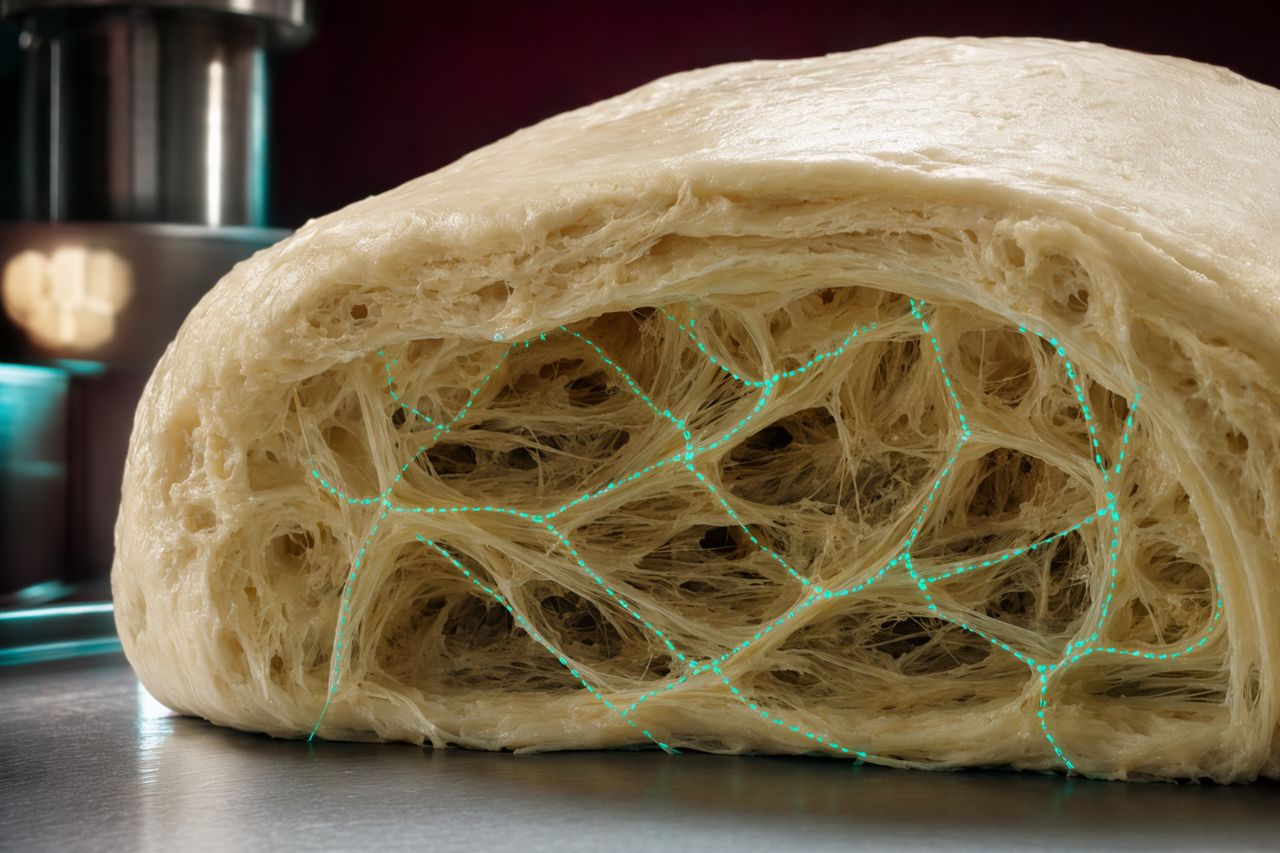
Bakery performance is built inside the protein network. Transglutaminase, also known as protein-glutamine gamma-glutamyltransferase, can help reinforce that network by forming covalent cross-links between compatible protein chains. In commercial bakery systems, that gives R&D and production teams another lever for dough strength, gas retention, crumb architecture, bite, and finished-goods resilience.
For Transglutaminase Enzyme Solutions, transglutaminase is not treated as a generic improver. It is a protein-structure tool for engineered bakery texture.
Wholesale and bulk transglutaminase for food manufacturers, ingredient blenders, distributors and resellers. Every order is quoted individually. Request a quote with your product or application, the quantity you need and the destination country.
What Transglutaminase Can Do in Bakery Systems
In the right formula and process window, transglutaminase can support:
- Stronger dough handling during mixing, dividing, sheeting, moulding, and transfer
- Improved gas retention where protein network continuity limits volume
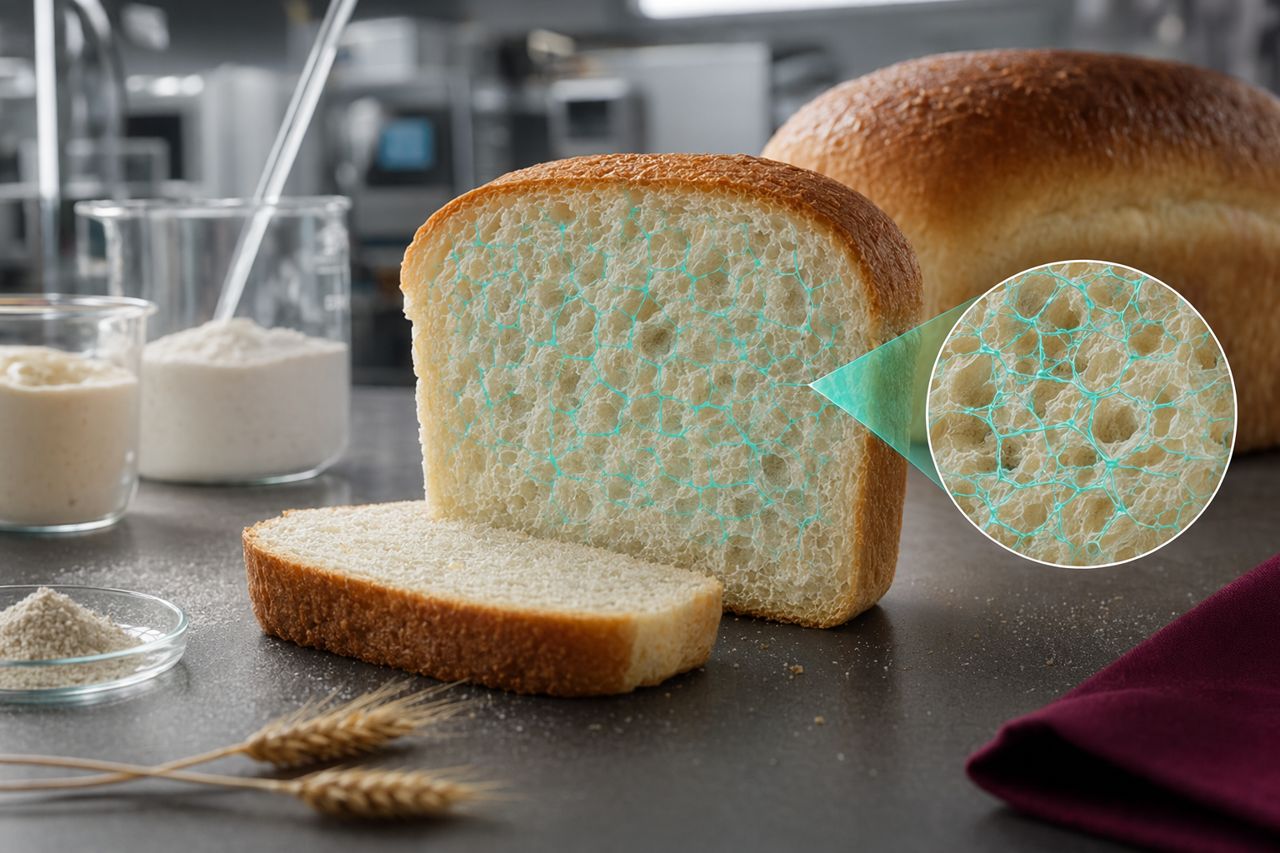
- More controlled crumb structure with better resilience and reduced collapse risk
- Cleaner slicing and reduced breakage in breads, buns, rolls, and enriched bakery formats
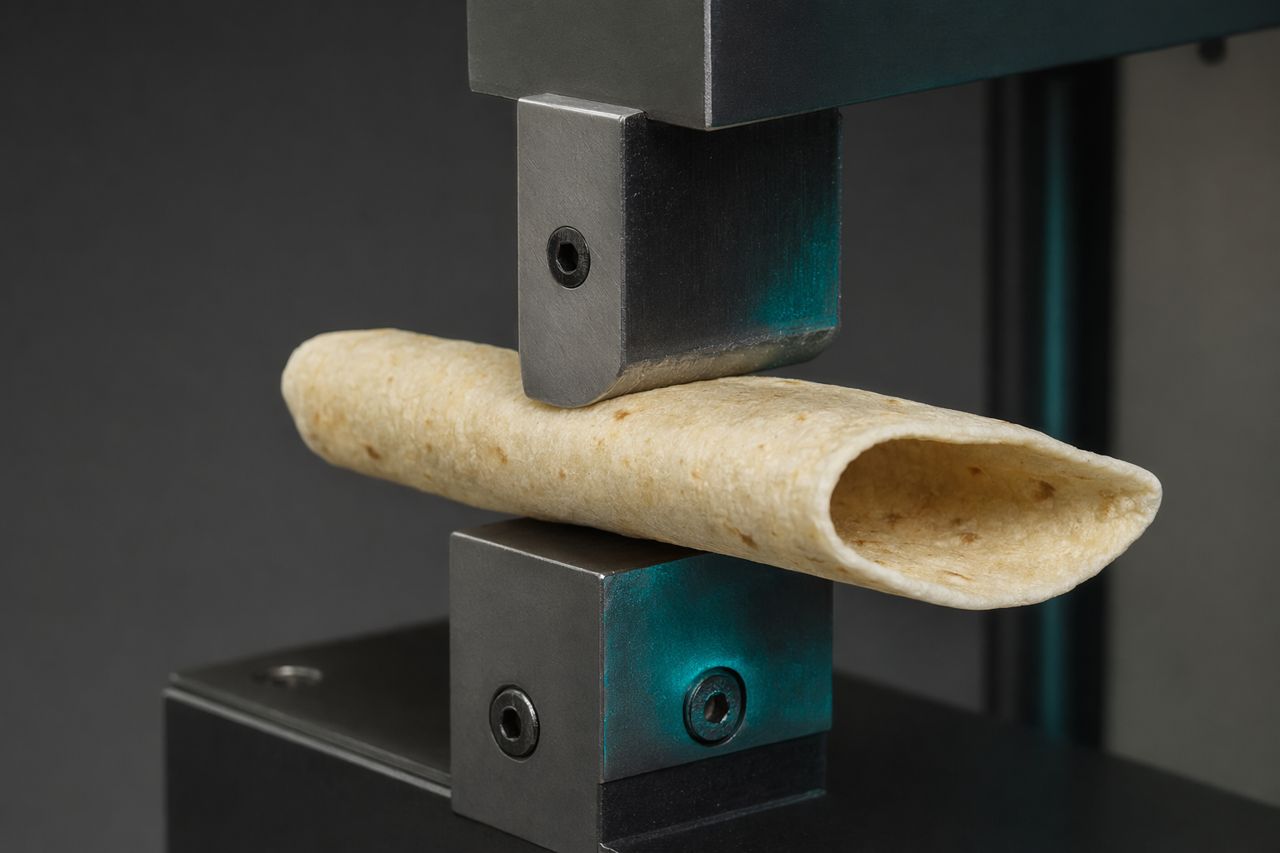
- Improved fold and tear resistance in tortillas, wraps, flatbreads, and flexible bakery sheets
- Texture design in alternative-protein systems where wheat gluten is reduced, diluted, or partially replaced
- Formulation flexibility alongside dairy, egg, soy, pea, wheat, and other functional proteins
The commercial value is simple: better structure can mean smoother processing, fewer line interruptions, more consistent finished goods, and wider formulation space.
How It Works in Dough
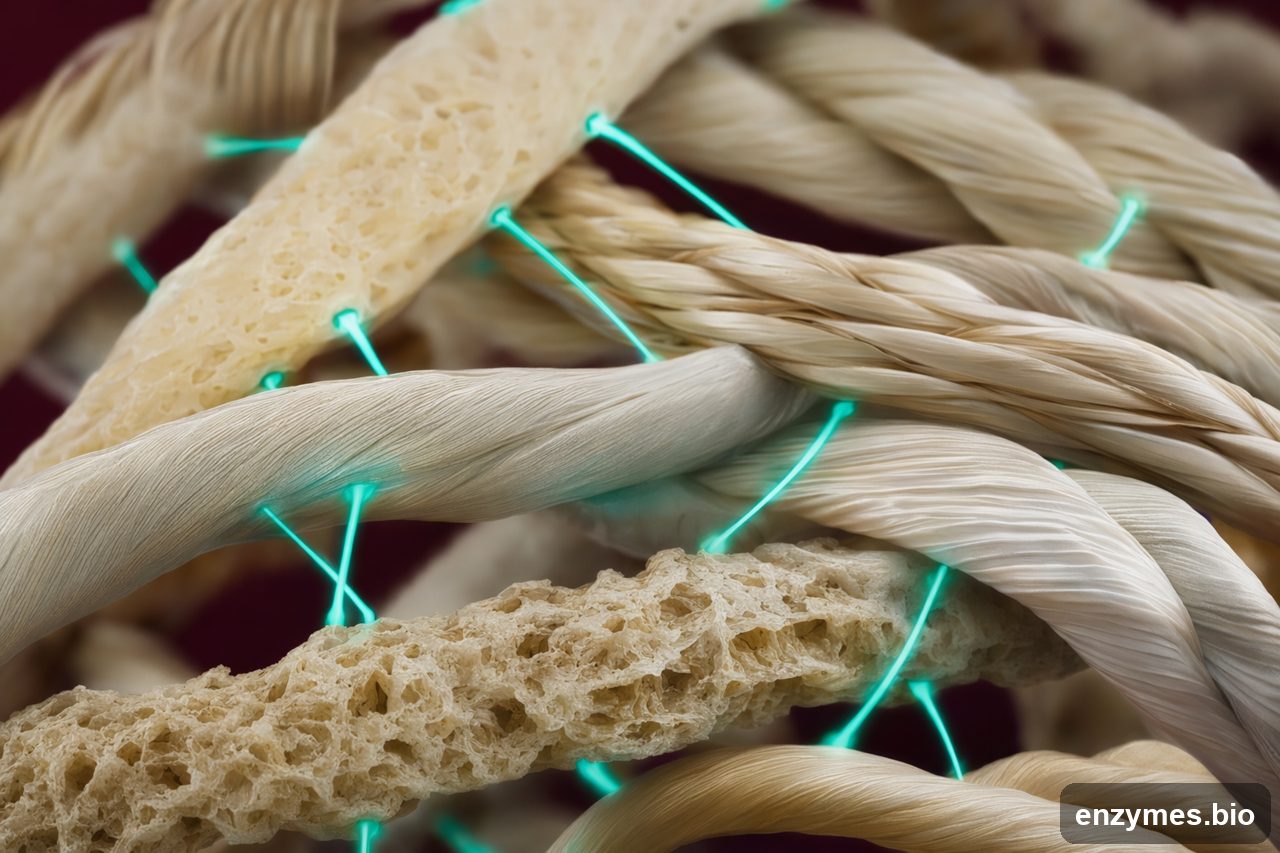
Transglutaminase helps link protein chains that contain suitable glutamine and lysine residues. In wheat-based bakery systems, the primary target is the gluten network. In fortified or modified systems, added proteins such as dairy, egg, soy, pea, fava, or other plant proteins may also participate.
That cross-linking can change how dough behaves under mechanical stress. Depending on formulation and process, it may increase dough strength, improve tolerance, and help the matrix retain gases through proofing and early baking.
The result is not one fixed texture. It depends on protein source, hydration, mixing intensity, resting time, fermentation design, bake profile, fat and sugar load, salt level, oxidant/reductant balance, enzymes already present, and the required eating quality.
Where It Fits Best
Pan Bread, Buns, and Rolls
Transglutaminase may help improve dough tolerance, loaf volume consistency, crumb resilience, and slicing performance. It is especially relevant where protein quality varies, dough is exposed to industrial handling stress, or finished-goods structure needs to remain stable through packing and distribution.
Tortillas, Wraps, and Flatbreads
Flexible bakery formats need strength without a tough bite. Transglutaminase can help reinforce protein networks for fold strength, reduced tearing, and improved sheet integrity. Calibration is critical: the goal is controlled flexibility, not rubbery firmness.
Gluten-Reduced and Protein-Modified Bakery
When gluten is reduced or diluted by starches, fibers, inclusions, or alternative proteins, network continuity can become the limiting factor. Transglutaminase gives developers a way to strengthen compatible proteins and build structure alongside hydrocolloids, emulsifiers, and process controls.
Sweet Goods and Enriched Doughs
Fat, sugar, egg, dairy solids, and inclusions can interfere with structure formation. In selected enriched systems, transglutaminase can support dough strength and crumb stability, but it must be evaluated against tenderness, bite, and eating softness.
Gluten-free and clean-label bakery: where transglutaminase earns its place
Gluten-free bread made from rice flour or pulse flours tends to eat dry and crumbly, with a sandy mouthfeel, because there is no gluten network to hold the crumb together. Transglutaminase cross-links rice protein or legume protein so that the dough builds a network that behaves more like wheat gluten, and that is one of the main routes to a cohesive gluten-free crumb.
The second driver is the clean label: industrial bakeries are replacing chemical dough conditioners such as mono- and diglycerides (GMS) and DATEM with enzyme-based improver systems. Enzymes are inactivated in the oven, which is why many markets treat them as processing aids rather than additives on the label. Confirm the position for your own market with your regulatory team before you change a label.
Bakery enzyme programmes are moving from single enzymes to designed systems: amylases for volume and slower staling, xylanase with glucose oxidase for dough handling and frozen-dough stability, and transglutaminase for protein structure.
| Bakery problem | Which enzyme does the work | Role of transglutaminase |
|---|---|---|
| Dry, sandy gluten-free crumb | A protein-structuring enzyme | Main tool: cross-links rice or pulse protein into a gluten-like network |
| Replacing GMS or DATEM | An enzyme improver system | The protein-structure part of that system |
| Bread that firms up during shelf life | Carbohydrate enzymes that slow starch retrogradation | Not its job |
| Frozen dough that loses stability | Xylanase combined with glucose oxidase | Not the primary tool |
Common buying mistakes in bakery
- Expecting transglutaminase to keep bread soft: slowing staling is the job of carbohydrate enzymes that act on starch.
- Adding it to a gluten-free recipe that carries too little protein: the enzyme needs rice, legume or another compatible protein to cross-link.
- Assuming the processing-aid label treatment applies everywhere: it depends on the market you sell into.
For a quote, tell us the bread type, the flours and proteins in the recipe, and your expected volume per order or per year.
Performance Targets Buyers Usually Evaluate
Commercial bakery teams typically screen transglutaminase against measurable product and process outcomes:
- Dough resistance during mixing and forming
- Sheeting and moulding tolerance
- Proof stability and gas retention
- Bake volume and shape control
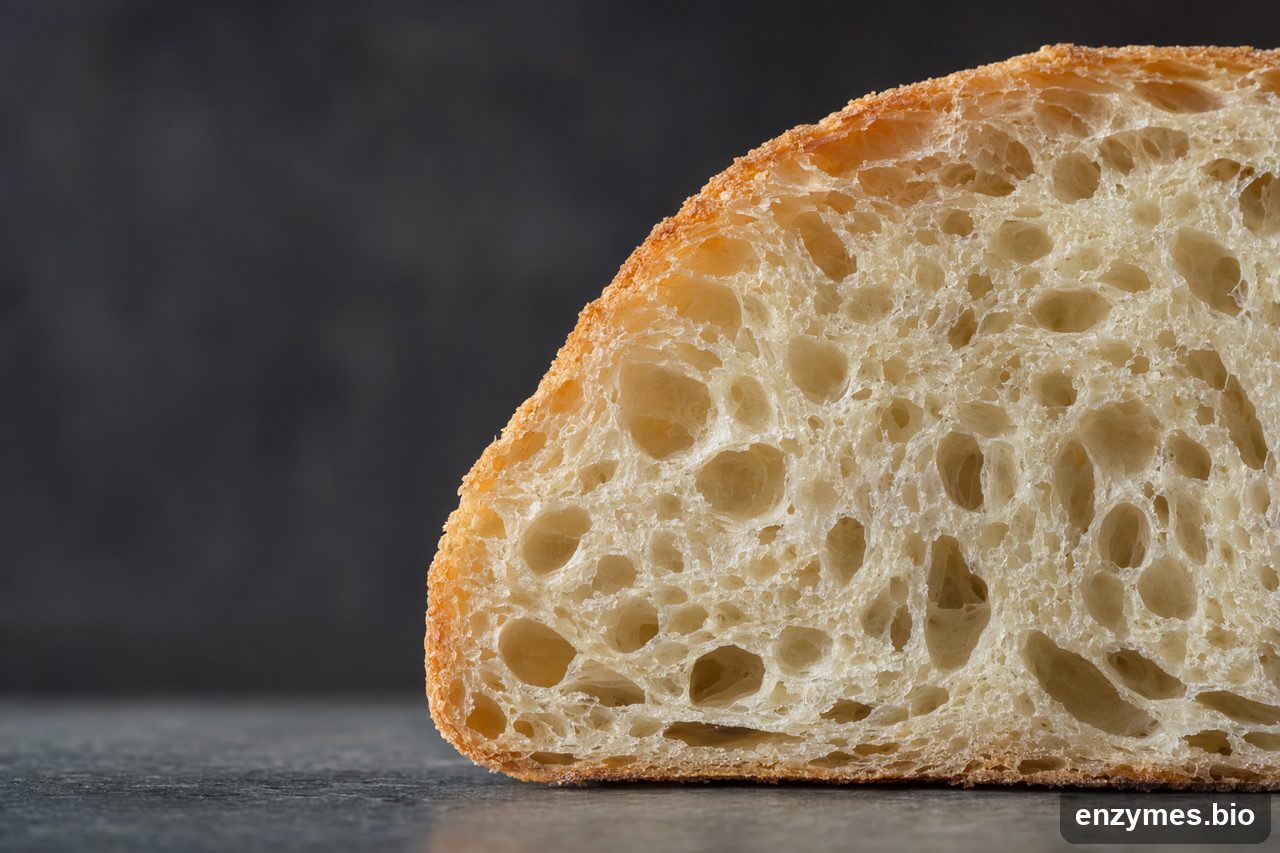
- Crumb grain and cell uniformity
- Spring-back and resilience
- Sliceability and breakage rate
- Fold endurance in wraps and flatbreads
- Freshness perception and chew over shelf life
- Compatibility with current improver systems
A successful trial should define which of these outcomes matter most before the first bench test.
Formulation Considerations
Transglutaminase performs best when the full protein system is understood. Important variables include:
- Protein availability: wheat gluten, egg, dairy, soy, pea, and other proteins each respond differently.
- Hydration: water distribution affects mobility, network formation, and perceived softness.
- Mixing profile: under-mixing may limit network development; over-mixing can mask or distort the benefit.
- Process timing: enzyme contact time before baking influences the final structure.
- Thermal profile: heat stops enzymatic activity and sets the baked matrix.
- Other improvers: oxidants, reducing agents, emulsifiers, hydrocolloids, amylases, and xylanases can interact positively or negatively.
- Sensory target: stronger is not always better; the required bite defines the correct level of network reinforcement.
Avoiding Over-Build
The most common development risk is over-building the protein network. Excessive cross-linking may produce tight dough, reduced extensibility, dense crumb, tough bite, or reduced sheet flexibility. For that reason, transglutaminase should be trialed through a controlled dose-response ladder using the customer’s flour, process, and target finished-goods specification.
Transglutaminase Enzyme Solutions supports a practical evaluation model: define the texture target, identify the protein system, map the process window, then run focused pilot trials against commercial success criteria.
Supply Fit for Commercial Bakery
For procurement and technical teams, the right transglutaminase supply conversation should cover more than enzyme identity. It should include:
- Application format and handling needs
- Compatibility with existing dry blend or liquid addition points
- Process tolerance under the intended bakery workflow
- Label and regional compliance requirements
- Allergen and carrier expectations
- Batch-to-batch consistency documentation
- Scale-up support from bench to line trial
- Commercial availability and lead-time planning
Why Transglutaminase Enzyme Solutions
Transglutaminase Enzyme Solutions focuses on transglutaminase as a material-design ingredient for protein systems. Our bakery work is built around texture, yield, structure, and manufacturability — not abstract enzyme language.
We help teams evaluate where transglutaminase belongs, where it does not, and how to position it inside a complete bakery formulation strategy.
Request Pricing or Technical Fit Support
Tell us what you are making, what structure problem you are solving, and what production constraints matter. We will respond with the most relevant transglutaminase supply and application guidance for your bakery project.
Ready for a quote? Use the inquiry form at the foot of this page. Tell us the application, the quantity per order or per year and the delivery country. Price, pack size and lead time are quoted per order.