Technical detail
Transglutaminase for processed meat texture, yield, and clean structural control
In sausage, ham, poultry rolls, formed meats, and other processed protein systems, texture is not a finishing detail. It is a commercial specification: bite, firmness, slice behavior, purge control, cooking performance, and package presentation all depend on how the protein network is built.
Transglutaminase, also known as protein-glutamine gamma-glutamyltransferase, supports protein-to-protein bonding within meat systems. For processors and formulation teams, that means a practical route to stronger protein matrices, more consistent texture, improved cohesion, and better control over structure across variable raw materials.
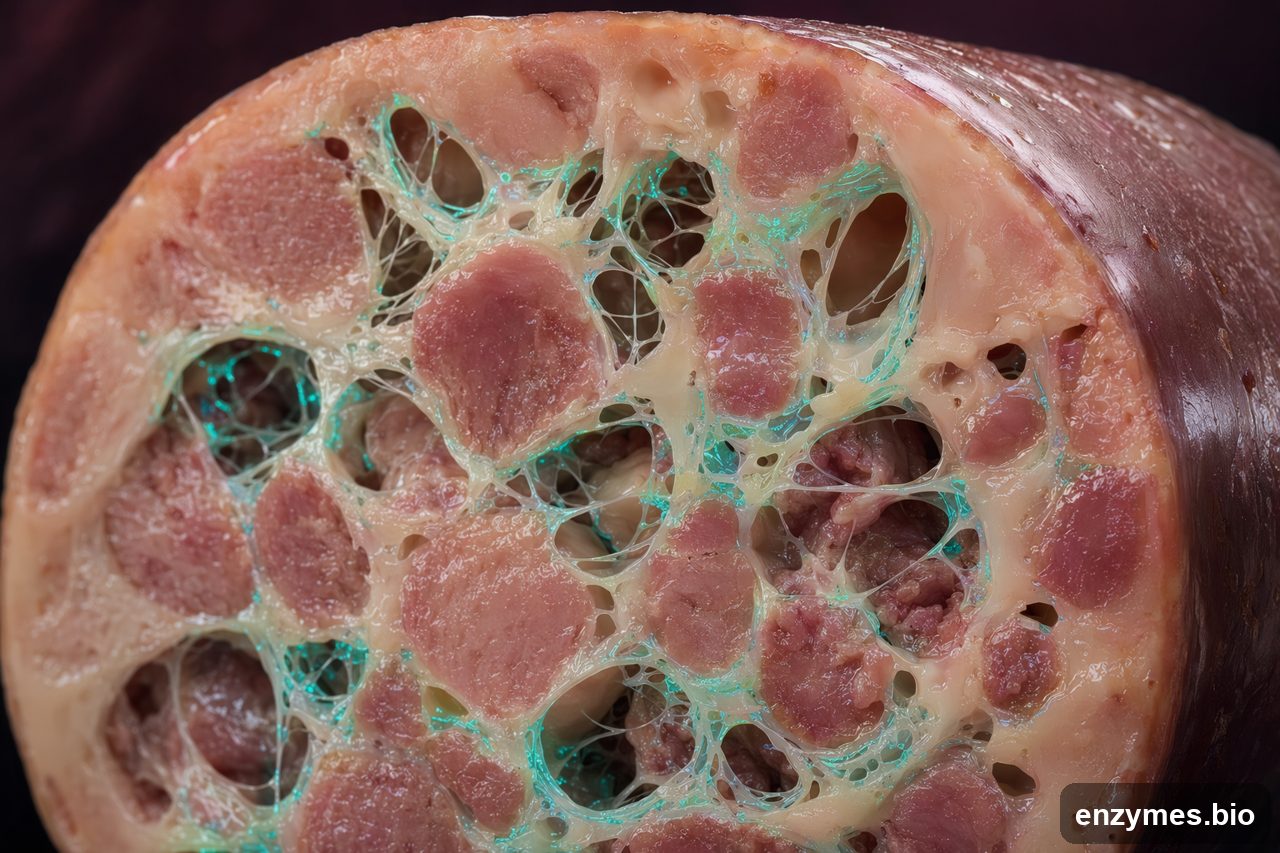
Transglutaminase Enzyme Solutions supplies transglutaminase for B2B teams developing processed meat systems where performance must hold through mixing, forming, cooking, chilling, slicing, packing, and distribution.
Wholesale and bulk transglutaminase for food manufacturers, ingredient blenders, distributors and resellers. Every order is quoted individually. Request a quote with your product or application, the quantity you need and the destination country.
What transglutaminase does in meat systems
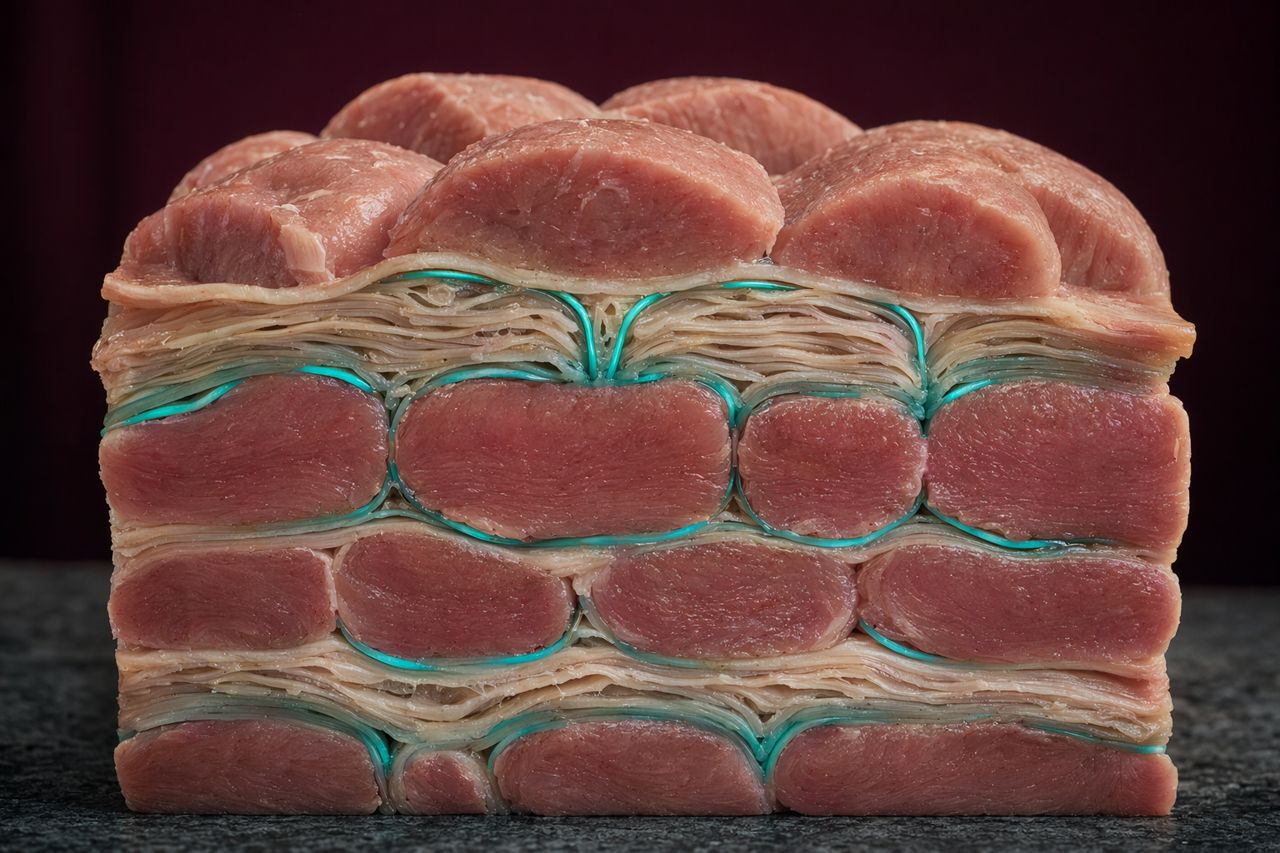
Transglutaminase helps create covalent crosslinks between compatible protein sites. In meat and poultry systems, this can strengthen the protein network that forms during mixing, setting, and heat processing.
For manufacturers, the value is operational and sensory:
- Stronger binding between meat particles, trim, or muscle pieces
- Improved firmness in comminuted and emulsified products
- Cleaner slicing in hams, rolls, loaves, and formed cuts
- Better texture consistency across variable protein inputs
- Support for yield management through improved matrix integrity
- Reduced crumbling, fracture, or separation during downstream handling
- More formulation flexibility when balancing salt, phosphate, water, fat, and non-meat proteins
Transglutaminase is not a cosmetic additive. It is a protein-network design tool.
Processed meat applications
Sausage and emulsified meat systems
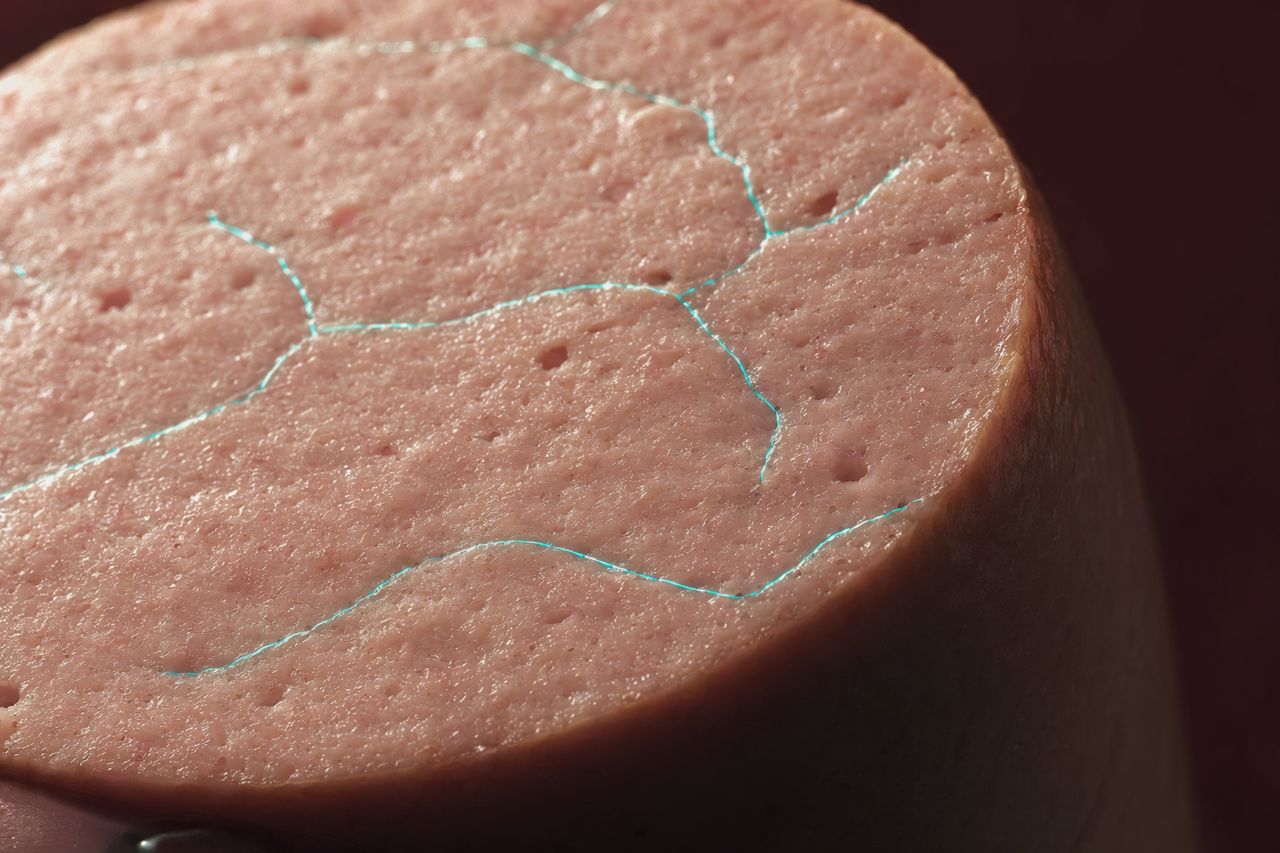
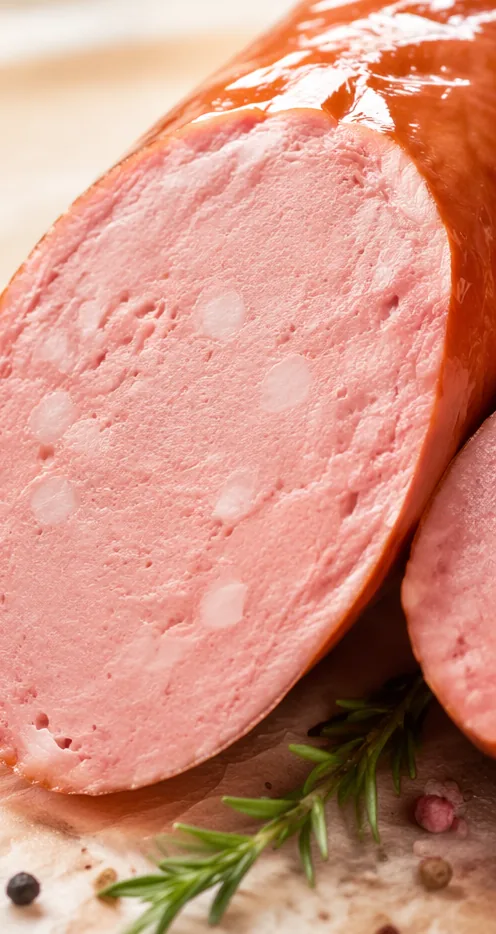
In cooked sausage, frankfurters, bologna-style products, luncheon meats, and other emulsified systems, transglutaminase can support gel strength, bite, and fat-water matrix stability. It is especially useful where the formulation must maintain a firm, elastic texture after cooking and chilling.
Typical development goals include:
- firmer bite without harsh rubberiness
- improved emulsion structure
- reduced soft spots and weak gel regions
- more consistent texture from batch to batch
- improved handling during peeling, slicing, or packaging
Cooked ham, poultry rolls, and whole-muscle products
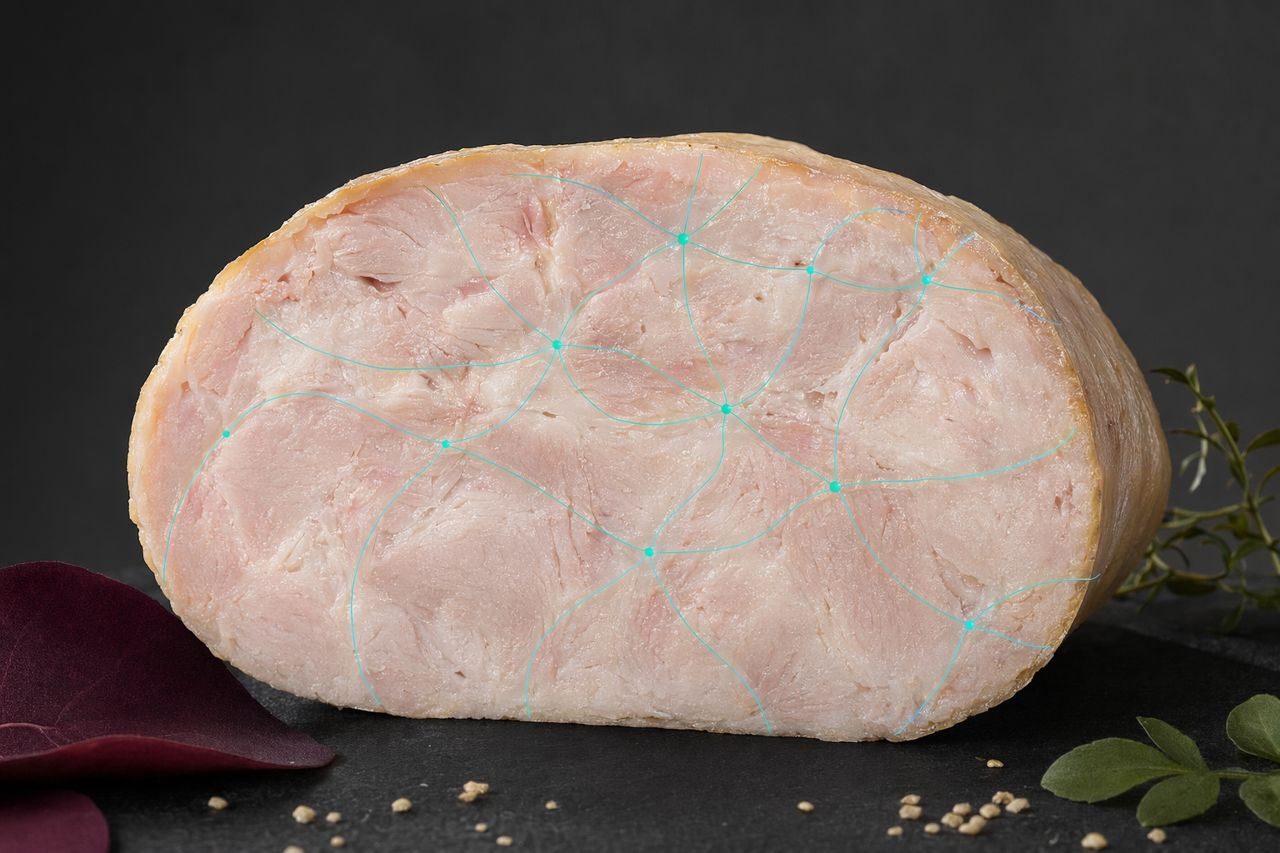
For ham, turkey breast, chicken rolls, pork logs, and restructured muscle systems, transglutaminase can improve cohesion between meat pieces and support a more continuous slice face.
Commercial advantages may include:
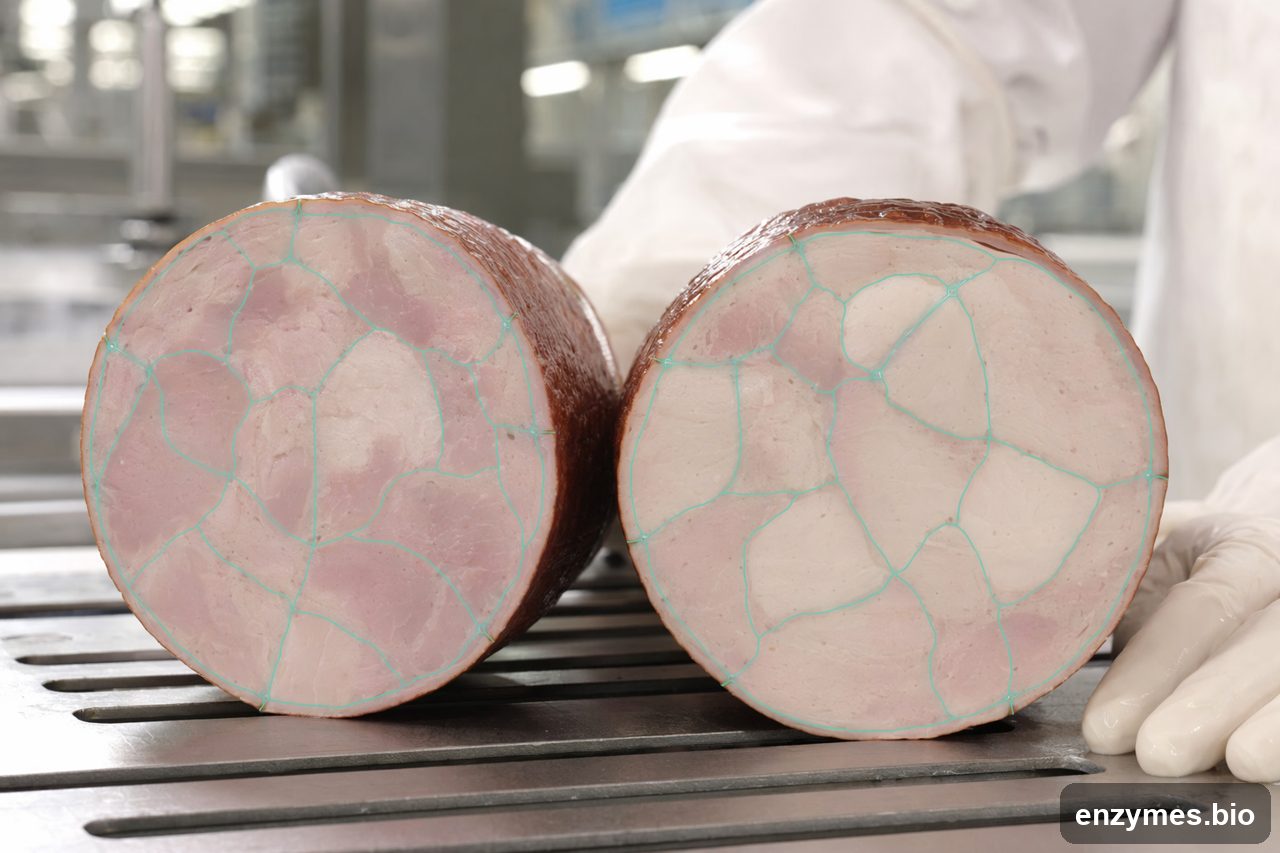
- cleaner slice edges
- reduced separation between muscle segments
- better binding in low-tumble or moderate-tumble processes
- improved appearance in deli-style cuts
- stronger structure during vacuum packing and distribution
Formed and restructured meat products
In formed steaks, nuggets, patties, cutlets, kebab-style pieces, and portion-controlled products, transglutaminase can help bind smaller meat pieces into a stable matrix. This can improve raw handling, cooked integrity, and portion consistency.
It is particularly relevant when processors are working with:
- trim recovery programs
- variable muscle sizes
- portion-controlled foodservice products
- poultry and pork systems requiring improved cohesion
- hybrid formulations using meat, plant protein, or dairy protein components
Reduced-salt, phosphate-adjusted, and value-engineered formulations
Salt and phosphate influence protein extraction, water binding, and texture. Transglutaminase does not replace the entire functionality of these systems, but it can support reformulation work by adding another structural mechanism.
R&D teams often evaluate transglutaminase when developing:
- reduced-sodium processed meats
- phosphate-adjusted systems
- higher-moisture formulations
- cost-optimized protein systems
- meat products with plant or dairy protein integration
- premium products requiring firm bite with clean label pressure in mind
Performance levers that matter in development
Transglutaminase performance depends on the full formulation and process environment. The enzyme must be distributed effectively and given the right process window to build structure before heat treatment or other downstream steps limit activity.
Key variables include:
- protein type and available reactive protein sites
- salt level and extraction conditions
- moisture and fat balance
- particle size and surface area
- mixing intensity and distribution quality
- resting or setting time before cooking
- process temperature profile
- pH and ingredient interactions
- cooking, chilling, slicing, and packing sequence
A successful transglutaminase program is not only about selecting an enzyme. It is about designing the process conditions that let the protein network form reliably.
Formulation considerations for processors
Distribution is critical
Uneven distribution can create local over-binding, weak zones, or inconsistent texture. Dry blending, brine addition, pre-hydration strategy, and mixing sequence should be evaluated based on the product format.

Binding strength must match the product identity
A deli ham, an emulsified sausage, and a formed nugget do not need the same texture. Development should define the target bite, elasticity, slice performance, and fracture behavior before trials begin.
Heat treatment changes the window
Thermal processing can reduce enzyme functionality. The process should allow sufficient structural development before the product reaches conditions that stop the bonding mechanism.
Ingredient systems can help or interfere
Salt, phosphates, hydrocolloids, starches, soy protein, pea protein, milk proteins, spices, cure systems, and marinades can all influence final performance. Evaluation should be done in the real formula, not only in simplified bench models.
Why procurement teams specify transglutaminase carefully
For industrial processed meat manufacturing, enzyme purchasing is not just a price comparison. Small differences in enzyme format, carrier system, solubility, dispersion behavior, and application fit can affect batch consistency and finished-product performance.
Procurement and technical teams should align on:
- target application and product format
- required texture outcome
- declaration and regulatory requirements by market
- allergen and carrier considerations
- handling format and plant compatibility
- shelf life and storage expectations
- supply continuity and documentation needs
- technical support during formulation trials
Transglutaminase Enzyme Solutions supports specification work for manufacturers that need commercial-grade consistency, not generic enzyme descriptions.
Where transglutaminase creates value
Transglutaminase can be valuable when the product goal is one or more of the following:
- improve slice integrity in ham, loaf, and roll products
- build firmer bite in sausage and emulsified systems
- reduce crumbling in formed products
- improve cohesion in restructured meat systems
- support yield-focused product design
- improve consistency when raw material variability is high
- enable hybrid protein systems with better structure
- strengthen plant, dairy, and meat protein interactions in blended formulas
The highest value is usually found where texture, yield, and visual integrity affect sellable output.
Recommended trial approach
A practical development program should compare the current control formulation against one or more transglutaminase-treated prototypes under production-relevant conditions.
Suggested evaluation points:
- Raw mix behavior and tack development
- Forming or stuffing performance
- Set time before cooking
- Cook yield and purge behavior
- Firmness and elasticity after chilling
- Slice integrity and edge definition
- Bite and chewdown profile
- Package stability over intended shelf life
- Performance after transport simulation or freeze-thaw exposure, where relevant
Trials should be designed around the actual manufacturing line whenever possible, because mixing energy, dwell time, thermal profile, and product dimensions can materially change results.
Built for commercial protein systems
Transglutaminase Enzyme Solutions takes a material-design view of transglutaminase. The enzyme is not positioned as a shortcut. It is a controlled tool for building stronger protein architecture in meat systems where finished-product consistency has direct commercial value.
Use it when the question is not simply “will it bind?” but “will it bind predictably, slice cleanly, hold yield, and preserve the product experience at scale?”
Request pricing or technical guidance
If you are developing a sausage, ham, poultry, formed meat, or hybrid protein application, share your product format and target performance goals. Our team can help match transglutaminase selection to your formulation and process window.
Ready for a quote? Use the inquiry form at the foot of this page. Tell us the application, the quantity per order or per year and the delivery country. Price, pack size and lead time are quoted per order.
Prefer a direct commercial response? Use the inquiry form at the foot of this page to get pricing and application guidance from Transglutaminase Enzyme Solutions.